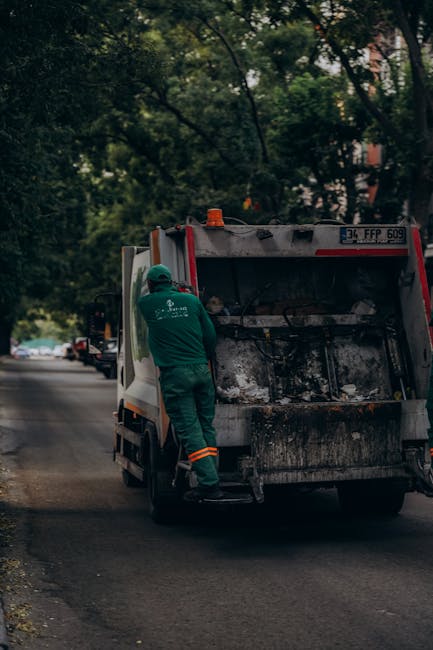
Avoid hidden charges in Pimlico rubbish removal quotes

If you have ever compared rubbish removal quotes and felt that something did not quite add up, you are not alone. A price can look tidy at first glance, then suddenly grow once loading, access, disposal, or "extras" are added. That is exactly why learning how to avoid hidden charges in Pimlico rubbish removal quotes matters. It helps you compare like with like, protect your budget, and choose a provider with confidence rather than guesswork. In a busy part of London, where parking, access, and turnaround times can all affect the job, the small print really does matter.
This guide breaks down what hidden charges usually look like, how to spot them early, and how to ask the right questions before you book. You will also find a practical checklist, a simple comparison table, and a few realistic examples from everyday clearance jobs. Nothing fancy. Just clear, useful guidance that saves time and a fair bit of stress.
Why avoiding hidden charges matters
Rubbish removal should feel simple: you show the waste, get a quote, agree the price, and the team clears it. But in practice, the total can shift if the quote was built on assumptions rather than a proper understanding of the job. That is where hidden charges creep in.
For Pimlico residents, landlords, offices, and tradespeople, this is especially relevant because the local environment can make a job more complicated than it looks. Tight stairwells, controlled parking, shared entrances, and short loading windows can all influence the final cost. If the quote did not account for those details, you may end up paying more on the day. Not ideal.
The issue is not only about cost. It is also about trust. A clear, detailed quote tells you the company has considered the full job and is happy to stand by its price. A vague quote, on the other hand, can leave you exposed to add-ons that appear after the van has arrived. You know the sort of thing: "there's a heavy item fee", "we assumed ground-floor access", or "that mattress counts separately".
Expert summary: the best way to avoid surprise costs is to make sure every likely variable is discussed before booking: volume, weight, access, item type, parking, timing, and whether the quote includes labour, disposal, and VAT where relevant.
That may sound like a lot, but it is really just careful buying. A good rubbish removal service will not mind the questions. In fact, they should welcome them.
If you want to understand how a proper quote should be structured, the page on pricing and quotes is a sensible place to start, especially if you are comparing more than one option.
How rubbish removal quotes are usually priced
Most rubbish removal quotes are based on a combination of factors rather than a single flat number. That is normal. The trouble begins when those factors are not explained clearly.
In simple terms, a quote may take into account:
- the amount of waste, often measured by van load or cubic yardage
- the type of waste, such as furniture, green waste, appliances, or builders' rubble
- the weight of the load
- access to the property, including stairs, lifts, narrow hallways, or long carries
- parking and waiting time
- special handling needs, such as dismantling or extra labour
- disposal charges for certain items
- any permissions or conditions that affect the job
A transparent company will explain which of these are already included and which might change the price. A less careful company may leave those details out until the end. That is where hidden charges often appear, and honestly, it can feel a bit like being charged for the air around the sofa.
One practical point people miss: a quote based on photos can be accurate if the photos are clear and complete. But if the pictures only show the top layer of waste, or they do not show access, the quote may be off. A photo of a garage pile from the doorway is one thing; a photo of a full loft with a steep staircase is another entirely.
For bigger or more complex clearances, it can help to use a specialist page such as home clearance, house clearance, or office clearance so the service matches the type of waste and access conditions.
There is also a difference between a quote and an estimate. A quote should be a firm price for a clearly described job. An estimate is more flexible, because the provider is still making an informed guess. If you are trying to avoid hidden charges, ask which one you are being given. It is a small question, but an important one.
Key benefits and practical advantages
Being strict about quote clarity does more than protect your wallet. It improves the whole experience from start to finish.
- Better budgeting: you know what the job should cost before the team arrives.
- Fewer disputes: clear expectations reduce awkward conversations on the doorstep.
- Faster decisions: you can compare providers without trying to decode vague prices.
- Smoother scheduling: the right team arrives prepared for the access and load size.
- More trust: a transparent business is usually easier to work with in the long run.
There is also a hidden benefit of your own: you become a much better buyer. Once you know what to look for, you are less likely to be swayed by a cheap headline price that does not survive contact with reality. And let's face it, that headline price is often doing a lot of work.
For some customers, transparency matters even more because they are dealing with repeated collections or ongoing waste streams. If that is you, a service like business waste removal can be worth comparing alongside one-off clearance options. The pricing logic can be different, so a clear breakdown is essential.
Another advantage is speed. When a provider has all the right information up front, they can usually give a more accurate price first time. That means fewer follow-up calls and fewer "just checking one thing" messages later in the day.
Who this is for and when it makes sense
This advice is useful for almost anyone arranging waste clearance in Pimlico, but it is especially helpful in a few common situations.
Homeowners and tenants: If you are clearing a flat, loft, spare room, or hallway storage area, you may not realise how access affects the price. A quote that does not ask about stairs or parking can be misleading.
Landlords and agents: End-of-tenancy clearances often happen under time pressure. When the clock is ticking, it is tempting to accept the first price. A better approach is to confirm exactly what is included before you approve anything.
Tradespeople and renovators: Builders' waste can change quickly depending on rubble, plasterboard, timber, or mixed loads. If the quote is based on a generic "construction waste" label, ask for detail. It saves headaches later.
Offices and small businesses: Furniture, filing, confidential materials, and electrical items can each have different handling requirements. If you need more than a basic collection, check whether the price reflects that properly.
People clearing bulky items: Sofas, mattresses, fridges, and appliances often have special handling rules or disposal costs. If you need specialist removal, pages such as mattress and sofa disposal and fridge and appliance removal are worth reviewing.
It also makes sense whenever you are comparing multiple quotes and one looks strangely low. That is not always a bad sign, but it deserves a second look. If the number is much lower than the others, ask why. Cheap is useful only when it is also clear.
Step-by-step guidance
If you want a practical way to avoid hidden charges in Pimlico rubbish removal quotes, follow this process. It is simple, but it works.
- Describe the waste properly. Be specific about what needs removing. "A few bits" is not enough. Mention furniture, appliances, bags, builders' waste, garden waste, or mixed items.
- Share clear photos. Take pictures from different angles. Include the access route, not just the pile. A quick photo in dim evening light can miss more than you think.
- Ask what the price includes. Check labour, loading, disposal, parking time, and any minimum charge. If VAT is relevant, ask whether it is included.
- Confirm access conditions. Tell them about stairs, lifts, key codes, narrow entrances, shared hallways, or long carries. This is one of the most common places where final prices change.
- Ask about restricted items. Some waste types may need special handling. Hazardous materials, fridges, and certain electrical items should be discussed in advance.
- Request written confirmation. Even a short email or message helps. It should clearly say what the job covers and what could trigger an extra charge.
- Check the cancellation or waiting policy. If your plans change, you should know whether a fee applies.
- Compare more than the number. Look at detail, responsiveness, and clarity. The cheapest quote is not always the best value. Not even close, sometimes.
A useful habit is to repeat back the job in your own words: "So the price includes removal from the second-floor flat, loading, disposal, and no surcharge unless the volume changes?" That one line can save you from a nasty surprise later.
If you are not sure how your waste category fits, the general waste removal page can help frame the discussion before you book.
Expert tips for better results
After enough clearances, a few patterns become obvious. The jobs that go smoothly usually have the same traits: specific information, sensible expectations, and no guesswork hiding in the quote.
Tip 1: Be honest about volume. People sometimes understate how much waste there is because they want a lower price. Fair enough, but it usually causes problems on arrival. If the load is bigger than described, the final cost can increase. Better to be accurate from the start.
Tip 2: Mention awkward items early. Wardrobes that need dismantling, heavy filing cabinets, and broken appliances are all relevant. A quote that ignores those items is not really complete.
Tip 3: Ask how the company handles mixed waste. Mixed loads can be more complex than a single waste type. If your pile includes wood, metal, textiles, and general rubbish, make sure the quote reflects that.
Tip 4: Watch the wording. Phrases like "from" price, "subject to inspection", or "additional charges may apply" are not necessarily bad. They just mean you need to ask a follow-up question. The key is whether the company explains those terms plainly.
Tip 5: Think about timing. Same-day work, late-evening collections, or tight time windows can affect price and availability. If you need flexibility, ask about it up front.
Tip 6: Keep a simple record. A screenshot of the quote, plus any messages confirming details, can be useful. Nothing dramatic, just practical. You hope not to need it, but there it is.
When in doubt, choose the provider that explains things best. A clear company often saves more money than a vaguely cheaper one. That is the bit people remember after the job is done.
Common mistakes to avoid
Most hidden-charge problems are preventable. They tend to happen when people rush, assume too much, or do not ask the obvious questions. It happens.
- Accepting a quote with no scope: If the quote does not say what it covers, the number alone is not enough.
- Forgetting access details: Parking restrictions, upper-floor access, and long carries can all matter.
- Not mentioning special items: Fridges, mattresses, rubble, paint, and confidential waste may need specific treatment.
- Assuming VAT is included: Never assume. Ask directly.
- Comparing vague quotes against detailed ones: A rough estimate and a full quote are not the same thing.
- Leaving questions until the team arrives: That is usually the most expensive time to raise a concern.
One of the most common mistakes is taking the lowest number as proof of value. That number can be real, but only for a narrower job than you expected. Once the extras show up, the bargain disappears. Quickly.
Another easy-to-miss issue is disposal type. A stack of old chairs is not the same as a load of plasterboard, and a bag of office paper is not the same as confidential shredding. If the items are sensitive, the confidential shredding page is a helpful reference point for handling that side properly.
Tools, resources and recommendations
You do not need a complicated system to keep quotes honest. A few simple tools are enough.
- Phone camera: Take clear photos of the waste and the access route.
- Notes app: List item types, rough volume, floor level, and any awkward access points.
- Message history: Keep written confirmation of the quote and key details.
- Basic measurement sense: Even rough dimensions help, especially for furniture and builder's waste.
It also helps to read the provider's policy pages before booking. The following can give you extra reassurance about how the business works behind the scenes: payment and security, terms and conditions, recycling and sustainability, and insurance and safety.
For some customers, it is also worth checking whether the company provides the right kind of support for the job type. That might mean builders' waste clearance for renovation debris, garden clearance for green waste, or garage clearance where the space is packed with mixed household items. Matching the service to the job keeps pricing clearer.
If you are still unsure, asking for a written breakdown is perfectly reasonable. A decent provider should not make you feel awkward for wanting clarity. In truth, that question is a good sign. It shows you are paying attention.
Law, compliance and best practice
This article is about pricing transparency, but compliance matters too because legitimate waste removal is tied to proper handling and disposal. In the UK, waste must be collected and processed responsibly, and companies should be able to explain how they manage it. The exact legal obligations depend on the type of waste, the vehicle, the site, and the service being provided, so it is wise to keep the discussion practical rather than overly broad.
From a customer's point of view, best practice looks like this:
- clear pricing before collection
- accurate description of waste type and quantity
- transparent terms for extra labour or access complications
- careful handling of restricted or sensitive items
- evidence that the provider operates safely and responsibly
For business customers, waste management can also involve a higher duty of care in practice, especially when records, office equipment, or specialist waste streams are involved. That is one reason why selecting a provider with clear policies can be helpful. The pages on health and safety policy and modern slavery statement can add to that trust picture, even if you are only arranging a simple collection.
One more thing: if a provider avoids clear answers about how the price is built, that is a warning sign. Not always a deal-breaker, but it should make you pause. Transparency is not a luxury in this space. It is basic professionalism.
Options and comparison table
When comparing rubbish removal quotes, it helps to think in terms of how the quote is structured rather than just the final figure. The table below shows the difference between common approaches.
| Quote type | How it works | Pros | Risks |
|---|---|---|---|
| Flat quote | A fixed price for a clearly described job | Easy to understand, easier to budget | Only reliable if the job details are accurate |
| Estimate | A likely price based on limited information | Quick to provide, useful for rough planning | Can change if access, volume, or waste type differs |
| Load-based quote | Priced by van space or measured volume | Flexible for mixed clearances | Needs clear explanation so you know what you are paying for |
| On-site quote | Price confirmed after the team sees the waste in person | Can be accurate for awkward jobs | May feel less certain if you need an exact budget before booking |
For many people, a flat quote is the most reassuring option, provided the details are complete. For awkward access or larger clearances, a careful estimate or on-site assessment may be more realistic. The key is that the pricing method should be explained, not hidden.
If you are unsure what kind of waste you have, a helpful starting point is the page on what can go in a skip. Even if you are not using a skip, it gives you a plain-English sense of what waste categories may affect cost or handling.
Case study or real-world example
Here is a realistic example. A Pimlico flat needs clearing after a long tenancy. The job includes a two-seater sofa, a mattress, several bin bags, a broken desk, and some loose odds and ends from a storage cupboard. On paper, it sounds straightforward.
But the details matter. The flat is on the third floor, the stairwell is narrow, parking is limited, and the sofa has to be turned awkwardly at the landing. If a provider quotes without asking about access, the final price may shift once the crew sees the building. That is not necessarily unfair, but it is avoidable.
A better approach would be to send photos, mention the floor level, flag the sofa and mattress early, and ask whether the price includes labour, disposal, and any extra charge for difficult access. If the provider answers clearly, the customer can decide with confidence. If the quote is still vague, the risk of hidden charges remains.
In a second example, a small office is clearing old chairs, filing boxes, and an appliance from a side room. The initial quote looks fine, but the provider later adds a charge for waiting because the collection point was not ready. A short conversation beforehand about timing and access could have prevented that. Small detail, big difference.
That is usually how these situations go. Not dramatic. Just a handful of little assumptions stacked on top of each other. Then the invoice lands and everyone sighs.
Practical checklist
Use this checklist before you accept any rubbish removal quote in Pimlico.
- Have I described every item clearly?
- Have I shared photos from more than one angle?
- Did I mention the floor level and access conditions?
- Do I know whether labour and disposal are included?
- Have I asked about VAT or any minimum charge?
- Did I flag heavy, bulky, or specialist items?
- Do I know if parking or waiting time could affect the price?
- Is the quote written down somewhere?
- Do I understand what would cause the price to change?
- Have I checked the relevant policy pages if the job is more complex?
Quick rule of thumb: if a quote feels too quick, too vague, or too good to be true, ask one more question before you book. Just one. That often tells you everything you need to know.
Conclusion
To avoid hidden charges in Pimlico rubbish removal quotes, focus on clarity, not just price. The most reliable quote is the one that reflects the real job: the right waste type, the right volume, the right access conditions, and the right level of detail. When you compare providers carefully, ask direct questions, and get the scope confirmed in writing, you reduce the chance of surprise costs and make the whole process much calmer.
In a place like Pimlico, where access and timing can shape the job, that extra bit of care pays off. It gives you better value, fewer delays, and a cleaner sense of control. And that, truth be told, is worth a lot when you just want the clutter gone.
Get a free quote today and see how much you can save.
If you are ready to move forward, you can also review about us to get a better feel for the company behind the service, or go straight to book online when you are ready to arrange the collection.
Frequently asked questions
What are hidden charges in rubbish removal quotes?
Hidden charges are extra fees that are not clearly explained at the point of quoting. They may relate to labour, access, parking, weight, waiting time, special items, or disposal requirements.
How do I know if a rubbish removal quote is genuine?
A genuine quote should explain what is included, what might change the price, and whether the number is fixed or only an estimate. If the provider can answer direct questions without dodging them, that is a good sign.
Should a rubbish removal quote include VAT?
It should be made clear whether VAT is included or not. Do not assume either way. Asking directly is the safest approach, especially when comparing multiple prices.
Why do quotes change after the team arrives?
Quotes often change when the actual job differs from the description. Common reasons include more waste than expected, difficult access, extra floors, or items that need special handling.
Is the cheapest quote usually the best option?
Not always. A very cheap quote can be perfectly real, but it may rely on narrow assumptions. The best value is usually the quote that is clear, complete, and realistic.
How can photos help reduce surprise costs?
Photos help the provider judge volume, item type, and access. Good images from several angles make it easier to quote accurately and reduce the chance of later add-ons.
Do I need to mention stairs or parking issues?
Yes. These details can affect labour time and logistics, so they should be mentioned before you accept a quote. In Pimlico, that kind of detail can matter quite a lot.
What if I have bulky items like a sofa or mattress?
Tell the provider early. Bulky items may affect pricing and handling, so it is better to mention them upfront rather than leave them as a surprise on the day.
Can I compare rubbish removal quotes by price alone?
You can, but it is a risky way to choose. Compare the scope of work, access assumptions, included labour, disposal charges, and any conditions attached to the quote.
What should be in a written quote?
A good written quote should state what waste is being removed, what the price covers, any assumptions made, and what could trigger an extra charge. It does not need to be long, but it should be clear.
Are estimates the same as fixed quotes?
No. An estimate is a likely price based on limited information, while a fixed quote is intended to cover the agreed job. If you want certainty, ask which one you are receiving.
How do I avoid being charged for waiting time?
Make sure the collection point is ready, the waste is accessible, and the provider knows about any building access issues before arrival. Clear communication usually prevents waiting fees.
What should I do if I think a charge is unfair?
First, check the quote and any written messages to see what was agreed. If something does not match, raise it calmly through the company's complaints procedure and ask for a clear explanation.
Where can I check a provider's policies before booking?
Look at the pages covering terms and conditions, payment and security, and complaints procedure so you know how the business works before confirming the job.