Pimlico Road rubbish removal guide for Churchill Gardens
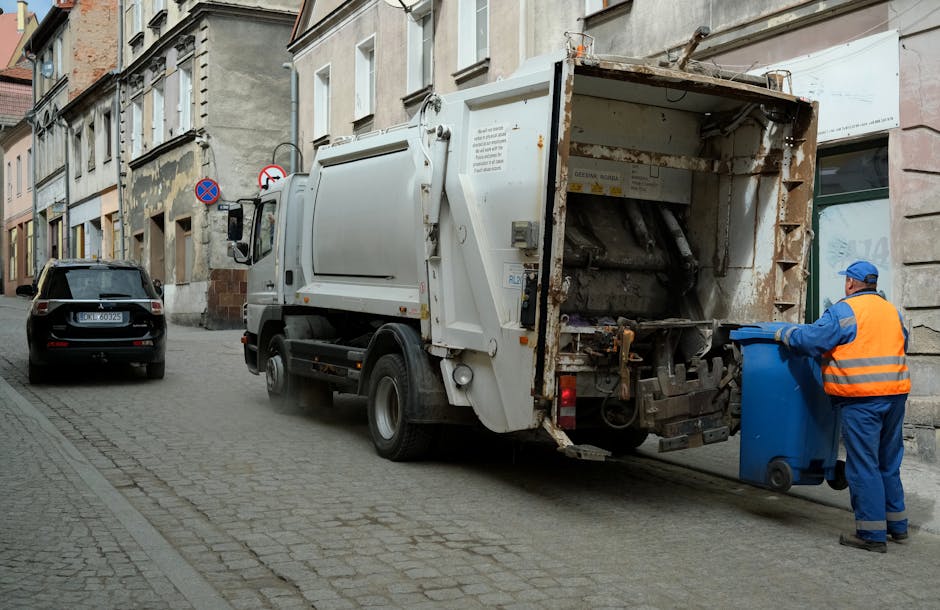
If you live in Churchill Gardens and you are trying to clear bulky waste, mixed household junk, or renovation debris, the process can feel more awkward than it should. Lifts are busy, access can be tight, and the wrong disposal choice can turn a simple tidy-up into a half-day headache. This Pimlico Road rubbish removal guide for Churchill Gardens is designed to make the whole thing easier: what to remove, how to plan it, what to avoid, and how to choose a sensible clearance method without wasting time.
Whether you are emptying a flat, dealing with an old sofa, clearing a loft, or getting rid of builder's waste after a small refurbishment, the basic goal is the same: get the rubbish out safely, legally, and with as little disruption as possible. Simple enough in theory. In practice, not always. So let's make it clear, practical, and local.
Why Pimlico Road rubbish removal guide for Churchill Gardens Matters
Churchill Gardens has its own rhythm. It is residential, fairly compact, and like much of central London, it rewards planning. If you are disposing of rubbish from a flat, maisonette, or shared building, you are rarely dealing with a straightforward "carry it to the kerb and forget it" situation. There may be parking pressure, collection windows to think about, and neighbours who really do not want bags left in hallways for long. Fair enough, honestly.
That is why a local rubbish removal guide matters. It helps you decide what kind of waste you have, what can be cleared together, and what needs special handling. It also keeps you from making avoidable mistakes such as mixing electrical items with general waste, leaving bulky items in communal spaces, or underestimating the volume of your load.
Another reason this matters is time. Most people do not need a drawn-out project; they need the space back. A cluttered flat feels smaller, dustier, and more stressful. Once the waste is gone, you can breathe again. You will notice it immediately.
For larger jobs, it is often helpful to think in categories: furniture, appliances, mixed household rubbish, garden debris, loft contents, office clearances, or builder's waste. Different waste streams can mean different handling, different sorting, and different disposal routes. Keeping them straight from the start saves a lot of faffing about later.
Expert summary: Good rubbish removal is not just about speed. It is about sorting the load properly, protecting the building, and choosing a clearance method that fits the space, the timing, and the type of waste.
How Pimlico Road rubbish removal guide for Churchill Gardens Works
The process is usually simpler than people expect once the waste has been identified. In most real-world situations, rubbish removal follows a fairly predictable pattern: assess the load, separate anything hazardous or reusable, plan access, then remove and dispose of it responsibly.
For a Churchill Gardens property, access planning is often the big difference-maker. Ask yourself: where will items be carried from, is there lift access, can a vehicle stop close enough, and are there any rules about using common areas? If you are in a top-floor flat, even a small load can take longer than you think. A single wardrobe suddenly feels more like a gymnastics event. That is just London life, to be fair.
If you are booking a professional service, the normal flow is:
- You describe what needs removing and where it is located.
- You receive a pricing explanation based on volume, type of waste, labour, and access.
- A collection time is arranged, sometimes with same-day or next-day options depending on availability.
- The team removes the waste, loads it securely, and takes it to the appropriate facility.
- Items suitable for reuse or recycling are separated where practical.
If you are doing the job yourself, you will need to organise transport, legal disposal, and lifting help. That can work fine for a few bags, but once furniture or renovation waste enters the picture, the job becomes more involved. Not impossible. Just more involved.
If your clearance includes old furniture, it can be worth looking at furniture clearance or furniture disposal options, especially if you have sofas, tables, wardrobes, or mixed bulky items that are hard to move on your own. For heavier domestic clearances, house clearance or home clearance may be a better fit. The right service depends on scale, not just the item type.
Key Benefits and Practical Advantages
When rubbish removal is handled properly, the benefits are immediate and very visible. The flat feels calmer. Hallways feel clear. The job no longer hangs over you. And if you are preparing a property for sale, letting, refurbishment, or a deep clean, the difference can be huge.
- Less disruption: waste is removed in one organised visit instead of several trips.
- Better safety: fewer trip hazards, less lifting strain, and less mess in shared spaces.
- More efficient use of time: you spend less time sorting transport and disposal details.
- Cleaner results: proper removal reduces the chance of rubbish lingering in communal areas.
- Improved recycling outcomes: sensible sorting makes it easier to route suitable items correctly.
There is also a quieter advantage: decision relief. People underestimate this. Once you have chosen a clearance plan, the mental clutter eases. You are no longer wondering whether the old mattress can go with the broken chair, or whether the appliance needs separate handling. That uncertainty disappears, and the day suddenly feels more manageable.
If your waste is coming from a renovation or repair, dedicated builders waste clearance can be the cleaner option. For businesses or landlords dealing with regular turnover, business waste removal may be more practical. Different problems, different solutions. Obvious, perhaps, but it is easy to miss when you are in the middle of a mess.
Who This Is For and When It Makes Sense
This guide is useful for anyone in Churchill Gardens who needs to clear rubbish from a flat, house, or shared residential space near Pimlico Road. That includes homeowners, tenants, landlords, property managers, and tradespeople who have finished a small job and need the leftovers gone.
It makes sense when:
- you are replacing furniture and need bulky items removed
- you have bags of general waste after a declutter
- you are clearing a loft, garage, or storage room
- you are handling post-tenancy rubbish in a hurry
- you have mixed waste after decorating or light refurbishment
- you want a tidy, predictable clearance instead of doing several journeys yourself
It is especially helpful in buildings where common access needs to stay clear. If you have ever tried to carry a battered wardrobe down a narrow stairwell while someone else is coming up with shopping, you will know why planning matters. A lot.
Some people only need one item gone. Others need a full reset. If you are somewhere in between, a focused service such as flat clearance or loft clearance can be the most sensible route. For small overflow spaces, garage clearance can also be a neat solution.
Step-by-Step Guidance
If you want the cleanest possible outcome, follow a simple sequence. It reduces mistakes and helps you avoid the classic last-minute scramble. You know the one: standing in the doorway with three bags, a broken lamp, and no idea what to do next.
1. Sort the waste by type
Start by grouping items into general rubbish, furniture, appliances, electricals, garden waste, construction debris, and anything potentially hazardous. Do not mix everything together if you can help it. Even a quick sort makes collection easier and often safer.
2. Separate anything reusable
Before throwing everything out, check whether any items can be reused, donated, or sold. A table with a bit of wear may still have life in it. So might shelving, storage units, or a working appliance. If you do not need it, someone else might. It is a small thing, but it matters.
3. Measure or estimate the volume
Volume affects how the job is planned. A single sofa is one thing. A sofa, mattress, three bags, and a chest of drawers is another. Even if you are not sure of exact dimensions, a rough estimate helps you choose the right collection approach and avoid surprises on the day.
4. Check access
Think about stairs, lifts, parking, entry codes, and any building rules. If access is tight, say so early. This helps prevent delays. It also avoids that awkward moment when a van arrives and everyone realises the lift is too small for the wardrobe. Not ideal.
5. Identify restricted items
Some items need special handling. Fridges, freezers, and certain appliances should be dealt with through proper appliance channels. For that kind of load, fridge and appliance removal is often the right fit. If you have chemicals, paints, cleaners, or other difficult substances, check whether hazardous waste disposal is needed.
6. Book the collection or arrange disposal
Once you know what you have, book the service or plan the transport. If your job includes a mattress or sofa, a dedicated route such as mattress and sofa disposal can be useful. It keeps the process tidy and avoids mixing awkward bulky items with regular rubbish.
7. Clear the route before the team arrives
Move smaller obstacles out of the way and make the route as easy as possible. This is one of those small actions that saves time in a big way. A clear hallway, a prepared lift, and good lighting can make all the difference.
Expert Tips for Better Results
In our experience, the smoothest rubbish removals come down to preparation and realism. People often overestimate how much they can do in one go, or underestimate how awkward a bulky item becomes once it reaches the stairwell. Happens all the time.
- Keep hallway time short: in shared buildings, moving waste out quickly is better for everyone.
- Photograph awkward items: a quick picture can help when explaining access or volume.
- Label mixed loads: if some items need to stay separate, make that obvious before collection.
- Check for hidden weight: a box that looks light may be full of books or wet materials. Sneaky little thing.
- Leave a small buffer for timing: if the day is busy, build in a bit of breathing room.
If you are comparing clearance options, use the job itself as the guide rather than the label. For example, a property full of mixed contents may be better suited to house clearance, while a smaller flat with a few larger items might suit flat clearance. That distinction sounds minor, but it often saves money and time.
Also, be honest about the condition of the waste. Wet garden waste, broken plasterboard, and damp cardboard behave differently from dry household rubbish. If you are dealing with outdoor material, garden clearance may be more appropriate. If the waste came from a repair or strip-out, builders waste clearance is usually the smarter route.
Common Mistakes to Avoid
Most waste-removal problems are preventable. They happen because people rush, guess, or treat all rubbish as one category. The result? Delays, extra handling, or unnecessary stress. Not the end of the world, but avoidable.
- Leaving it all until collection day: sorting in a hurry leads to mistakes and missed items.
- Ignoring access issues: a clear path matters more than you think.
- Mixing everything together: this makes recycling harder and can complicate disposal.
- Forgetting bulky items: one old wardrobe or fridge can change the plan significantly.
- Assuming hazardous items can go anywhere: they cannot, and they should not.
- Blocking shared areas: avoid leaving waste in lobbies, stairwells, or entrances for long periods.
One surprisingly common mistake is overfilling bags until they are awkward to lift. A bag that is too heavy turns into a safety issue fast. Better to use more bags than to wrestle with one monster sack on the stairs. Your back will thank you later.
Tools, Resources and Recommendations
You do not need a lot of kit to manage a clearance well, but a few simple tools make life easier. A trolley, sturdy gloves, strong sacks, tape, labels, and a marker pen can be surprisingly helpful. Even a bit of string or wrap for bundling awkward items can save time.
For larger clearances, it also helps to have:
- measurements for large furniture or appliance items
- clear notes on which items stay and which go
- photos of bulky or heavy objects
- building access details, including any entry restrictions
- an agreed collection window so you are not waiting around all day
On the service side, the most useful pages on this site for related jobs are the dedicated waste removal page, the pricing and quotes page if you want to understand how jobs are assessed, and the recycling and sustainability page if you want a clearer sense of how reusable material is handled.
If confidentiality matters, for example during office or paperwork-heavy clearances, confidential shredding can be relevant too. Not every rubbish job is just rubbish; sometimes there are personal or business documents mixed in, and that deserves care.
Law, Compliance, Standards, or Best Practice
For rubbish removal in London, the main principle is straightforward: waste should be handled and disposed of responsibly, with proper care for safety, the environment, and the people sharing the building. You do not need to become a compliance expert, but you do need to avoid casual shortcuts.
Best practice usually means:
- separating general waste from items needing special handling
- not abandoning rubbish in communal or public areas
- using appropriate disposal routes for appliances, hazardous materials, and bulky items
- keeping lifting and carrying safe, especially in stairwells and tight corridors
- choosing a provider that treats safety and insurance seriously
If you are hiring help, it is fair to ask how the job is handled, whether there is a clear safety approach, and how the team manages awkward access. Pages like insurance and safety and health and safety policy are useful trust signals because they show the standards behind the service, not just the sales pitch.
For general household jobs, legality and practicality often overlap. If you dispose of items correctly, keep access clear, and avoid dangerous mixing of materials, you are already doing things the right way. Simple, but not always easy.
Options, Methods, or Comparison Table
There is no single best method for every Churchill Gardens clearance. The right choice depends on volume, urgency, item type, and how much lifting you want to do yourself. Here is a practical comparison.
| Method | Best for | Pros | Watch out for |
|---|---|---|---|
| Self-clearance | Small bags, light items, a few easy trips | Can be low-cost if you already have transport | Time, lifting effort, disposal planning, parking hassle |
| Skip-based clearance | Ongoing work, renovations, sizeable mixed waste | Convenient for repeated loading | Space needed, permit considerations, you still do the lifting |
| Man-and-van style rubbish removal | Bulky items, quick clear-outs, flats with access limits | Fast, labour included, less stress | Needs accurate description of waste and access |
| Specialist disposal | Appliances, mattresses, hazardous items, confidential waste | Safer handling and better compliance | May need separate booking or sorting |
If you are unsure which method fits, use the type of waste as your first clue. Furniture, electricals, builder's debris, and general rubbish are not all treated the same. If you need guidance on skip loading rules, the page on what can go in a skip is a practical reference point.
Case Study or Real-World Example
Here is a realistic example from the kind of job people often face in Churchill Gardens. A resident is moving out of a one-bedroom flat and needs to clear an old sofa, a broken bedside cabinet, a vacuum cleaner, two bags of mixed clutter, and an underused set of shelves from the bedroom cupboard. Nothing dramatic. Just enough to be annoying.
The first step is to sort the waste by type. The sofa is bulky furniture. The vacuum is an electrical item. The bags are general rubbish. The shelves may be reusable, but if not, they join the furniture load. The resident checks the access route, confirms the lift is usable, and makes sure the hallway is clear. A collection time is arranged for early morning so the removal is done before the building gets busy.
What makes the job work well is not magic. It is preparation. The items are grouped, the route is open, and the job is described accurately. Because of that, the clearance can be completed without the usual last-minute drama. No blocked corridor, no guessing game, no "oh, I forgot about the shelf in the corner." Which, let's face it, happens.
For a similar property with more contents, the answer might be a fuller home clearance or house clearance. Same street area, different job shape. That is the key point.
Practical Checklist
Use this checklist before collection day. It keeps things tidy and avoids easy-to-miss problems.
- Identify the main waste types
- Separate reusable items where possible
- Remove anything that needs special handling
- Measure bulky items or take quick photos
- Check access, parking, entry codes, and lift availability
- Clear hallways and stair routes
- Confirm the collection time
- Put small items into strong, manageable bags
- Keep documents or valuables out of the waste pile
- Make sure everyone in the property knows what is being removed
If the job includes cupboards, archives, or mixed office contents, you may also want to think about office clearance or confidential handling. A small stack of papers can be more sensitive than the bulky waste around it. Bit of a nuisance, but worth sorting properly.
And if the waste is tied to a specific room rather than the entire property, a room-focused service can be enough. For example, a loft or garage can often be cleared without needing a full-home job, which keeps the plan lean and sensible.
Conclusion
A good Pimlico Road rubbish removal plan for Churchill Gardens is not about doing everything at once. It is about making the job manageable, keeping the building respected, and choosing the right disposal path for the waste you actually have. Once you sort the items, plan the access, and match the method to the load, the whole process becomes far less stressful.
The biggest win is usually simple: the space comes back to you. The flat feels lighter. The clutter stops nagging at you every time you walk past it. And that, in everyday life, is a proper relief.
Get a free quote today and see how much you can save.
If you want to understand more about the people behind the service, visit the about us page. For booking or a direct enquiry, the contact us page is the sensible next stop.
Frequently Asked Questions
What counts as rubbish removal in Churchill Gardens?
It usually means collecting and disposing of unwanted household waste, bulky furniture, general clutter, renovation debris, and similar items from a property. The exact service depends on the load.
Can I mix furniture, bags of rubbish, and electrical items together?
You can often have mixed loads collected, but it helps to separate items where possible. Appliances and electricals may need more careful handling than general rubbish.
Is rubbish removal better than hiring a skip?
It depends on the job. If you want a fast, labour-included solution and have limited access, rubbish removal is often easier. If you are doing a longer project and want a loading space on-site, a skip may be more suitable.
What should I do with an old sofa or mattress?
Bulky upholstered items are often easier to handle through dedicated disposal options. That keeps the process safer and avoids awkward lifting through narrow hallways or stairwells.
How do I know if I need builders waste clearance?
If the waste came from decorating, demolition, strip-out work, or repair work, builder-style waste clearance is often the better fit. It is usually different from normal household rubbish.
Can you clear a flat with limited lift access?
Yes, but access should be explained clearly in advance. Stairs, narrow turns, and lift limits can affect timing and handling, so it is best to mention them early.
What if I have hazardous waste?
Hazardous items should not be mixed with ordinary rubbish. If you have chemicals, paint, or other risky materials, they need special attention and the right disposal route.
How can I keep costs sensible?
Sort the waste before collection, separate reusable items, be accurate about volume, and make access as easy as possible. Clear information usually helps avoid unnecessary extra handling.
Do I need to be on site during collection?
Often yes, or at least someone needs to provide access and confirm what is being removed. It avoids confusion and makes the job smoother. A small bit of coordination goes a long way.
What is the safest way to prepare rubbish for removal?
Use strong bags, avoid overfilling them, keep sharp or heavy items contained, and leave a clear route for lifting. If something feels too awkward or too heavy, it probably is.
Can this guide help with a full property clear-out?
Yes. If you are dealing with a larger move, probate clearance, or a property reset, the same principles apply: sort by type, plan access, and choose the service that matches the load. For bigger jobs, flat clearance or home clearance may be the most practical route.
Where can I check booking, safety, and sustainability details?
Useful starting points are the book online, insurance and safety, and recycling and sustainability pages. They help you understand how the service is organised and what to expect.
A clear-out is never just about waste. It is about getting a bit of calm back in the place you live, and that is worth doing properly.